

Plant Quarantine Mission Statement:
- Prevent the introduction of harmful insects, plant diseases, illegal animals, and other pests into Hawaii; and to prevent the spread of these harmful pests from one island to another.
- Facilitate the export clearances of horticultural materials.
Plant Quarantine Branch activities:
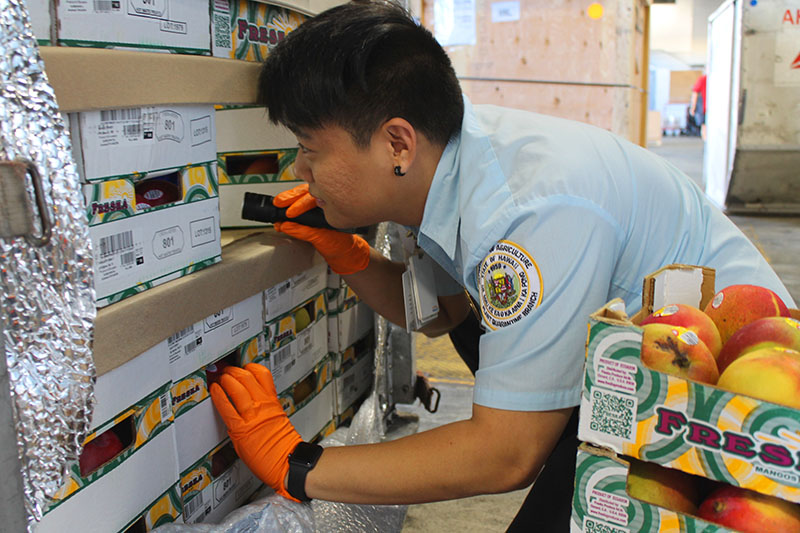
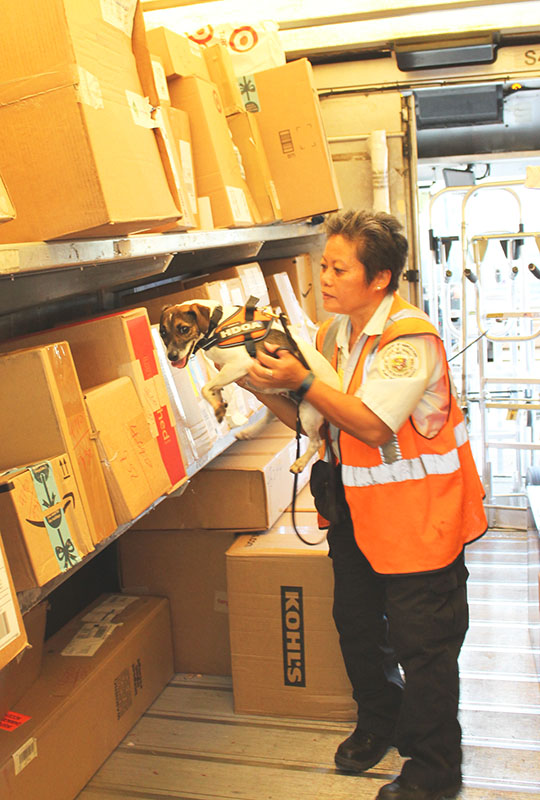
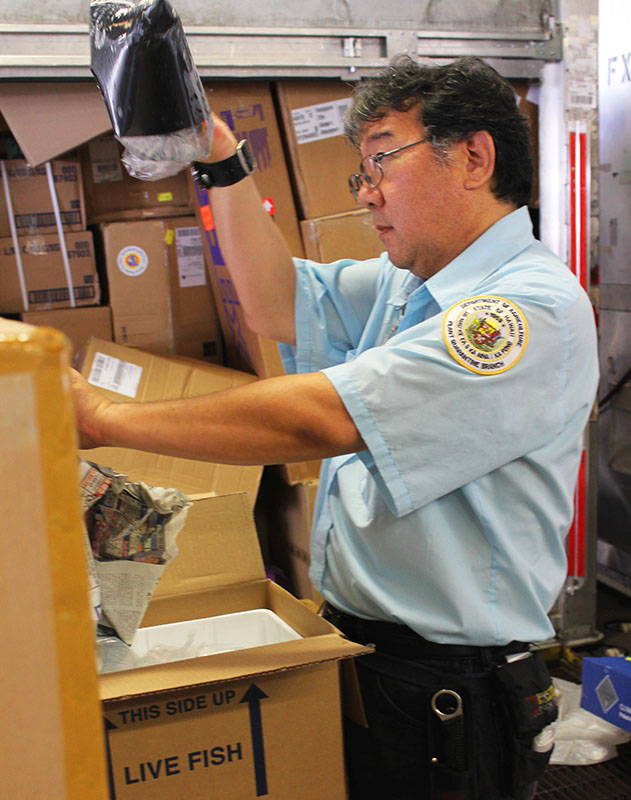
- The Plant Quarantine Branch maintains surveillance of air and sea ports-of-entry to inspect commodities and passengers in order to detect, intercept, and confiscate restricted items, infested or infected plant materials, illegal animals, and other pests being shipped to Hawaii.
- The Plant Quarantine Branch reviews and issues importation permits for plants, non-domestic animals, and microorganisms under the guidance of the Board of Agriculture.
- The Plant Quarantine Branch inspects and certifies plants and nurseries meeting export quarantine requirements established by other states and countries.
In order to best fulfill the mission, the Department of Agriculture and Biosecurity uses a custom built Salesforce system called Kupono. The creation of Kupono was initiated due to the Invicta database used by the PQB for almost 15 years, being decommissioned. In late 2017, Through a competitive procurement process, the PQB selected Salesforce as the platform to replace Invicta. Development of the new system began in 2018 and it was designed to include management of data that was held in Invicta (import inspections, pest hotline, permitting, eManifest, diagnostics ) and expanded capacity to also include investigations, export certification, interisland certification, phytosanitary certificate generation, and fee collection. Upon completion of the database, it was named Kupono, which means to being just or right in ʻŌlelo Hawaiʻi.
In May 2021, PQB staff began training stakeholders how to submit their imported air cargo shipments via eManifest in Kupono. In September 2021, PQB’s INVICTA database was retired, and DAB began the switch of using Kupono fully which included logging imported shipments that were not eManifested by stakeholders. Additional modules that were incorporated at this time was pest referrals via the pest hotline and permitting. Staff were also trained in how to log pest interceptions and violations if found during the inspection.
All commodities types
This graph shows the total number of imported cases broken down by commodity type. Each smaller graph on the left shows the total counts that were received by each island, and the larger graph on the right shows how many cases were imported by commodity type, Statewide. Below are a series of graphics of specific commidties by the method of import.
Selected commodities – Maritime
This graph is broken down by the total number of imported cases that came into the State via ocean cargo. The top graph is for produce imported into the state. Hawaii imports about 90% of the food eaten in the state. It is critical to inspect fresh plants and livestock to eliminate the introduction of invasive speces and plant diseases. The middle graph is for propagative plants imported into the state. The bottom graph is for cut flowers and non-propagative plants imported into the state. Within each graph, the data is separated by calendar month that the import occurred and then by receiving island.
Selected commodities – Aviation
This graph shows the total number of imported cases that came into the State through the airport, this includes shipments that are brought in as air cargo, as passenger baggage, and as mail parcels. The top graph is for produce imported into the state. The middle graph is for propagative plants imported into the state. The bottom graph is for cut flowers and non-propagative plants imported into the state. Within each graph, the data is separated by calendar month that the import occurred and then by receiving island.
Inspection finds
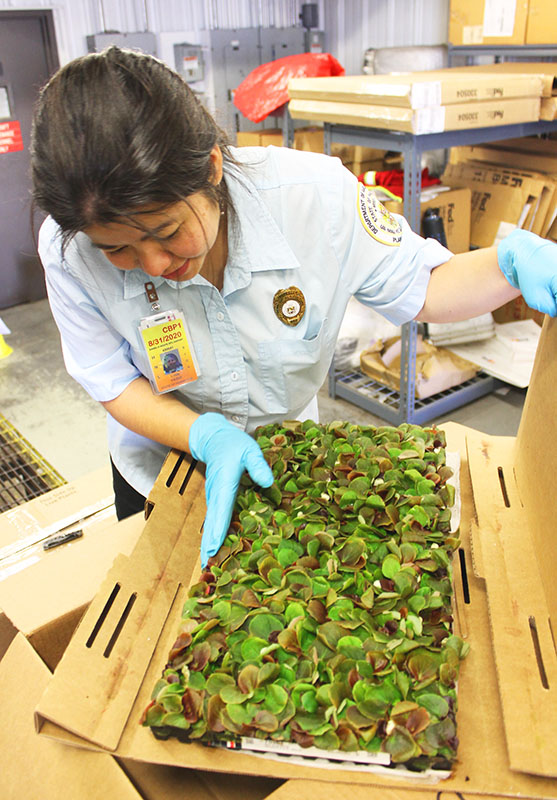
When a shipment is inspected at the port of entry, Biosecurity Inspectors conduct inspections to ensure compliance for entry. When an inspection is conducted, inspectors first verify if the shipment is allowed to enter the State and does the item require an import permit, certificate of treatment, and/or certificate of origin. The next requirement is to ensure that the shipment is pest free. Once the shipment has met these conditions, the shipment will receive a final disposition. This final disposition will either be passed, refused entry, or confiscated for destruction.
Additional action could occur where the shipment was quarantined. This quarantine is either due to improper paperwork to meet import requirements, a pest infestation was found and requires treatment or awaiting the importer’s decision on what action to take for their shipment. Please note that a quarantined shipment can have a final disposition of Passed, if the shipment meets import requirements after the inspection was conducted.
Note the spike between October and November for both Fiscal Year 2025 and 2026. This is due to the Christmas Tree shippments. Some containers need to be held up for further treatment if insects are found.
Comodity types requiring inspections:
Produce: generally consists of the following unprocessed items imported for consumption: fresh fruit, dried fruit, herbs, raw nuts, and vegetables.
Plants Non-Propagative: includes plant parts that are intended for use as decoration or other non-propagative purposes such as floral bouquets or lei. Items generally include cut flowers; leaves, twigs, seed pods or other cut foliage, Christmas trees, raw timber, etc.
Seafood: includes all live seafood imported for consumption such as lobsters, crabs, clams, oysters, etc.
Media: includes potting mixes, compost, bark, mulch, soil conditioners, etc, used primarily for the care or propagation of plants.
Live Organism: includes any live non-domestic animal or known cultures of microorganisms. This category does not include ”Seafood” which is its own category.
Fertilizer: includes organic and in-organic fertilizers. Fertilizers containing live microorganisms are included in the “Live Organism” category.
Feed: includes processed animal feed such as hay, grain, bird seed.
Vehicle: includes vehicles such as cars, trucks or vans, or other driven equipment such as forklifts, bulldozers, or other earthmoving machinery.
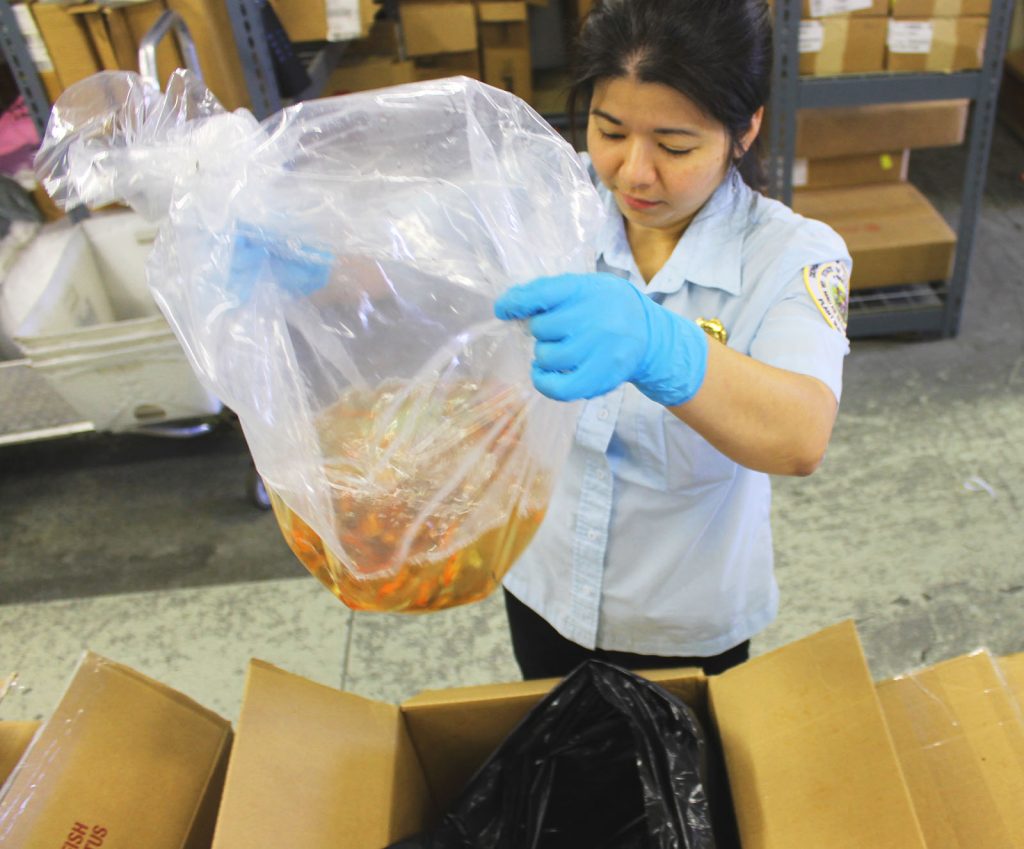
The Hawaii Department of Agriculture & Biosecurity is hiring. Come join the team of dedicated inspectors and technicians. Apply today